








PRODUCTS
Product Features: Backed by nearly 20 years of professional immunization and production experience, the end products rank first nationwide in sales and are exported to more than 30 countries.
Applications: Primarily used for the production of antitoxins and antibodies, as well as for cell culture and cell maintenance.
Tianhong Biochemistry operates the largest horse breeding base in China dedicated to tetanus antitoxin production and has been engaged in immunized horse breeding for over a decade, with stable output and quality. The terminal products are liquid antitoxin immunoglobulin preparations purified after pepsin digestion, accounting for approximately 70% of the domestic tetanus antitoxin market and over 100% of China’s export value of finished and semi-finished tetanus antitoxin products. Products are exported to more than 30 countries worldwide.
In addition to tetanus antitoxin serum, the company is also developing and manufacturing antivenom and rabies antiserum products.
At the same time, we offer end-to-end services for biopharma partners, including customized immunization program design and tailored hyperimmunized horse serum production to meet specific customer requirements (antigen, potency targets, and intended use). Our capabilities span lab-scale studies, pilot-scale development, and full-scale manufacturing under GLP/GMP-like management, with comprehensive consultation, testing, and execution support for efficient and reliable delivery.

PMSG (Pregnant Mare Serum Gonadotropin), also known as equine Chorionic Gonadotropin (eCG), is a naturally derived gonadotropin obtained from the serum of pregnant mares. It is typically supplied as a lyophilized powder, which enables convenient transportation and storage, simplified handling, and more consistent quality management compared with raw serum preparations.
Key Features
Well-defined origin & proven use: Naturally sourced with a long history of use in animal reproduction programs.
Lyophilized for practical operations: Easy to reconstitute and integrate into customer workflows, supporting aliquoting, downstream formulation, and scalable field application.
Broad gonadotropic activity: Supports critical reproductive management steps associated with ovarian function-such as estrus induction/synchronization, ovulation enhancement, and superovulation-often serving as a cost-effective option relative to FSH-based protocols (final regimen should be optimized by species and breeding objectives).
Applications
PMSG is widely used across:
Animal production and breeding management: estrus control, improved ovulation rate, superovulation, and program optimization at herd/flock scale.
Veterinary reproductive support: for specific reproductive indications under professional veterinary guidance.
R&D and method development: reproductive physiology studies, assay development, and controlled comparative studies.
Grades & Customizable Specifications
To match different regulatory expectations and downstream use-cases, we offer grade-customized PMSG with targeted specific activity levels:
Veterinary Drug Grade: ≥2,000 IU/mg - for general veterinary and production use
API Grade: ≥5,000 IU/mg - for customers who intend to perform their own packaging and/or formulation of finished products
Research Grade / PMSG Standard: ≥10,000 IU/mg - for high-demand research, reference standards, and method validation
Quality Documentation & Testing Support
All grades are supplied with a Certificate of Analysis (COA) to ensure traceability and clarity of critical quality attributes. Customers may request additional test items to align with internal release criteria, registration needs, or specific project requirements (e.g., potency/specific activity, identity, purity-related testing, microbial limits/sterility, endotoxin, moisture, and more).

Key Features:
Tianhong Biotech operates under standardized, end-to-end management with strict controls over feed, husbandry, and animal health programs to ensure consistent raw material quality and batch reproducibility. Our pregnant mare serum demonstrates strong and stable potency: routine supply batches achieve an average titer of 72 IU/mL, and premium lots can be provided upon request with titers in the 75–100 IU/mL range for applications requiring higher potency and tighter consistency.
Applications:
This serum serves as a key starting material for downstream processing (e.g., purification, concentration, and process development) to produce PMSG (eCG) products and API-grade materials, as well as intermediates and semi-finished products in the PMSG supply chain.
Product Features
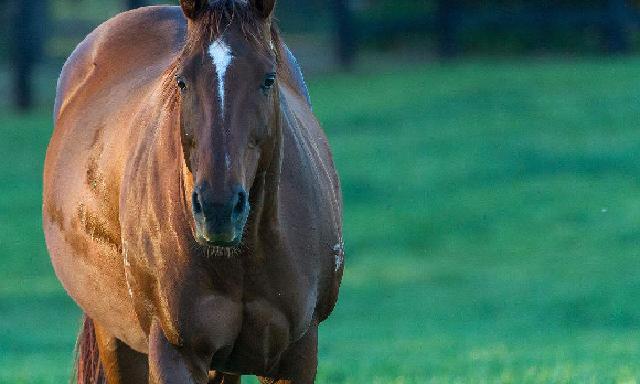
Horse placenta (also called “horse afterbirth/placental membranes”) is a key nutritional and regulatory tissue in the process of fetal development, naturally rich in multiple bioactive and nutritional components, including proteins and peptides, amino acids, lipid substances, sugars/carbohydrates and glycoproteins, nucleic acid–related components, vitamins, and trace mineral elements, etc. Through standardized collection and processing, it can be further prepared into ingredient forms suitable for different scenarios (such as powders, extracts, etc.), taking into account component richness, application plasticity/flexibility, and batch stability.
From the perspective of application mechanism, placenta-derived peptides and amino acids and other components are often used to support formulation development in directions such as skin condition improvement and nutritional supplementation, and have relatively high formulation/compatibility value in needs such as “gentle repair, improving skin feel, enhancing plumpness and elasticity,” etc.
Scope of Use
Cosmetic raw material / efficacy-oriented formulation development: can be used in creams, essences/serums, masks, body care and other products, as a source of nourishing and repairing ingredients; on the formulation side, product design is often carried out around directions such as moisturizing and emollience, finer skin feel, plumpness and firmness, improving dryness and roughness and the appearance of fine lines, etc.
Nutrition supplementation / dietary supplement related applications: on the premise of meeting the regulations and compliance requirements of the target market, it can be used as a nutrition-type raw material for formulation development, meeting consumers’ needs such as daily nutritional support and condition management (specific claims and applicable scope are subject to local regulations and product positioning).
Grade Customization and Delivery Forms (matched to use)
We support, according to the customer’s application scenario and regulatory pathway, providing customized supply solutions of different grades and indicator combinations, for example:
Cosmetic Grade: places more emphasis on topical formulation adaptability, odor/color control, microbial control, and stability performance;
Food / Supplement Grade: places more emphasis on raw material safety and physicochemical indicators, process control, and traceability (implemented according to target-market regulations);
R&D Grade: suitable for sampling, formulation screening, process evaluation, and method research; indicators can be flexibly set according to project objectives.
Multiple raw material forms and specifications can be provided (such as powders, extracts, different particle sizes and dissolution characteristics, etc.), to meet the differentiated needs of formulation systems, process routes, and cost structures.
Product Features:
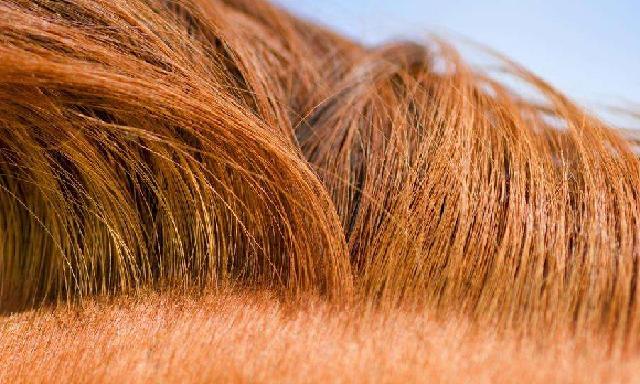
Horse hair (including tail hair and mane hair) is a type of natural fiber raw material with stable performance and a wide range of uses. Its fiber structure gives it good toughness and resilience, while it also has a certain luster, wear resistance, and processability. It can be processed through grading, washing, disinfection, length-setting, and combing according to different uses, thereby meeting multi-scenario application needs such as home decoration, industrial cleaning, and handicrafts.
Scope of Use:
Home and interior decoration: Horse-hair fiber has a natural appearance and texture, and is wear-resistant and durable; it is often used for decorative woven materials, ornaments, and related decorative accessories.
Handicrafts and jewelry-making: Because it is easy to weave and shape, it can be used to make woven items, bracelets, necklaces, earrings, and other cultural-creative and jewelry-type products, combining distinctive texture and a natural style.
Brushes and precision cleaning: Processed mane hair can be used to manufacture horse-hair brushes. Horse-hair brushes usually have characteristics such as softness, good elasticity, and corrosion resistance, and they are not likely to scratch the surface being cleaned, making them suitable for dust removal, oil removal, and routine maintenance of precision instruments, optical components, and fine workpieces.
Lines and musical-instrument applications: Tail hair can also be used in certain lines (such as fishing line, etc.) and in fields related to musical instruments such as strings/bow hair, meeting comprehensive requirements for toughness, stability, and feel.
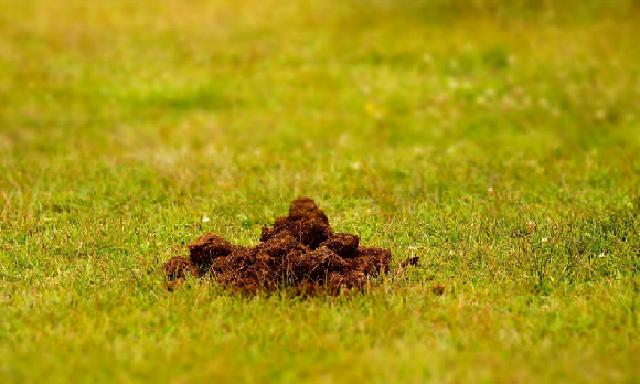
Product Features: Horse manure contains a high level of cellulose and has a loose structure. It is rich in thermophilic fiber-decomposing microorganisms, has low moisture content, and releases substantial heat during composting, which classifies it as a heat-generating fertilizer.
Applications: Well-composted horse manure is an excellent natural organic fertilizer suitable for use as base fertilizer for vegetables, as well as a heat-generating medium for early-spring seedling beds. Its high heat output and rapid temperature rise promote seedling growth, and its loose structure also makes it suitable for edible mushroom cultivation.